About Author
About Author
About Author
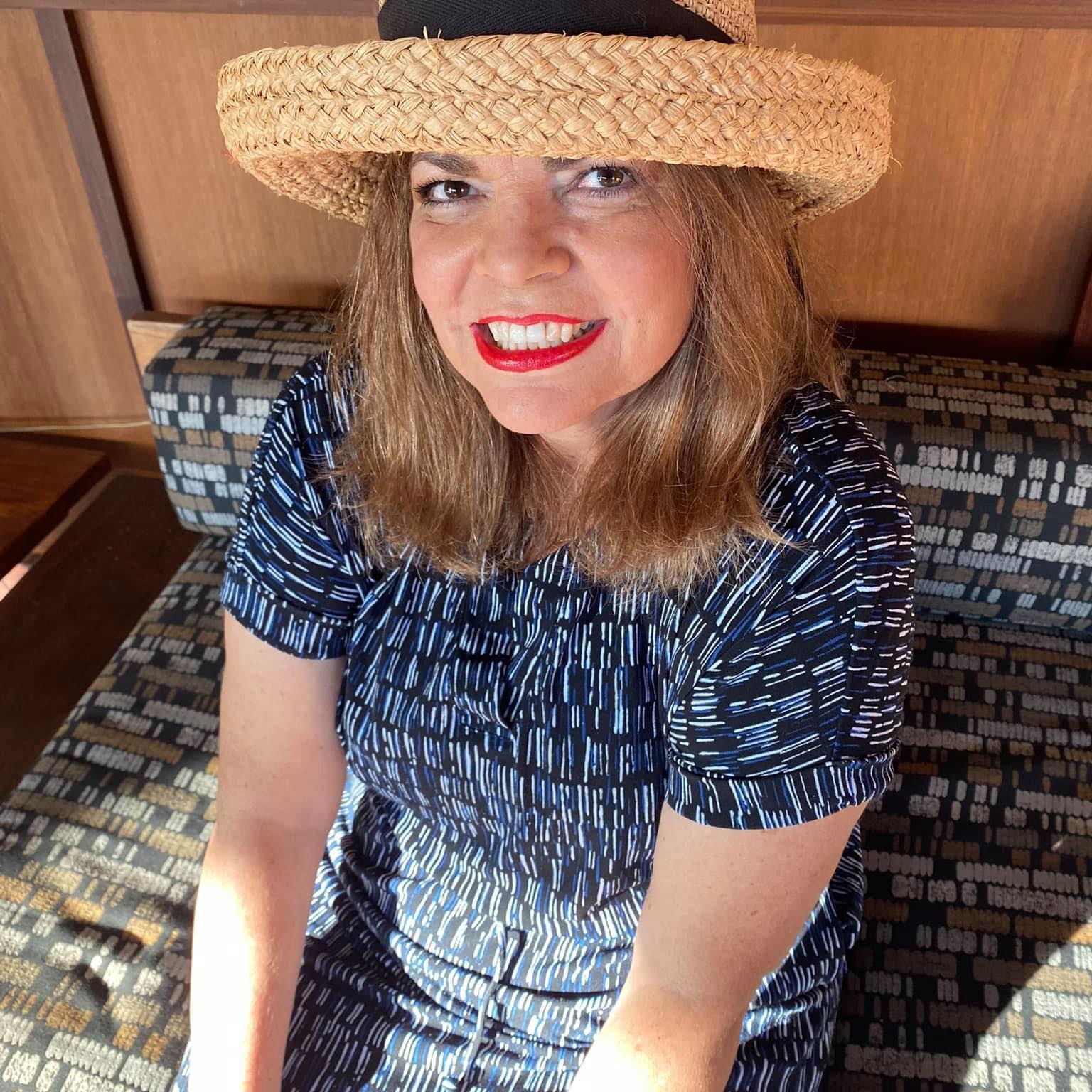
Author Debby Show is a Licensed Marriage and Family Therapist and School Psychologist based in California. With years of experience working with individuals and families, she brings a deep understanding of human behavior, relationships, and generational dynamics to her fiction.
Though Paper Roses is her debut novel, Debby has honed her craft through coaching, writing workshops and a lifelong passion for storytelling. Inspired by real history and intimate truths, her work explores how the past shapes who we become.
She also happens to be the sister of a rather infamous public figure—a detail that has made family gatherings interesting, to say the least. While this is a work of fiction, it draws inspiration from real-life experiences. That said, the spotlight in this story belongs to the generations of women whose legacies are woven across time.
Author Debby Show is a Licensed Marriage and Family Therapist and School Psychologist based in California. With years of experience working with individuals and families, she brings a deep understanding of human behavior, relationships, and generational dynamics to her fiction.
Though Paper Roses is her debut novel, Debby has honed her craft through coaching, writing workshops and a lifelong passion for storytelling. Inspired by real history and intimate truths, her work explores how the past shapes who we become.
She also happens to be the sister of a rather infamous public figure—a detail that has made family gatherings interesting, to say the least. While this is a work of fiction, it draws inspiration from real-life experiences. That said, the spotlight in this story belongs to the generations of women whose legacies are woven across time.
Why I Wrote Paper Roses
Why I Wrote Paper Roses
Why I Wrote Paper Roses
Objects in the mirror are closer than they appear — and far more dangerous.
Objects in the mirror are closer than they appear — and far more dangerous.
It started with a phone call.
I was parked in front of Edna Hill Middle School, waiting to start my day — middle of COVID, face shields, plexiglass barriers — when the New York Times rang. For some strange reason, I picked up, even though the number was unfamiliar.
They wanted a quote — a reaction.
“How do you feel about your sister Tracii Hutsona’s arrest?” a voice said.
I wish I could say I almost dropped the phone, but this was no shock. I’d been following my sister’s actions from afar ever since she was released from federal prison around 2015 — mostly through Google, and by keeping tabs on her unwatchable YouTube series, Homeless Millionaires. I knew she’d been living large — larger than she should have.
“You don’t know?” the journalist said. “She stole more than a million dollars (allegedly) from Joumana Kidd, ex-wife of basketball player Jason Kidd.”
What I said next, I was unable to censor. Instead, I began churning out truth bombs with the speed and regularity of a Pez dispenser.
“She’s always been a con artist. Ever since she was a kid. And she’s good. She’s like a cult leader, the way she gets people to return to the same poisoned trough.”
Somewhere in the conversation, I realized: Where’s your filter? Again, it wasn’t shock. I finally had a platform — a voice. What she’d done, what they’d all done, was wrong, and it was up to me to say something about it.
“I don’t know if I should say any more,” I added, way too late.
“Then we’ll use your statement from 2008,” the journalist replied. “From when she swindled you. It’s all in the police records.”
This was a subtle threat. She knew. I knew. I’d told the officer a lot of things in 2008. Tracii just conned me for the last time. I wanted answers. I wanted Tracii to fear me. If the New York Times printed my statements from back then, let’s just say, it wouldn’t have been a good look.
I had no choice. I had to talk. I told the journalist about Grandma and the credit cards, about how at 15, Tracii had stolen my license and taken a joyride to Los Angeles, racking up tickets in my name. I also marveled at my sister’s skill. I knew she was going to make the news one day.
“You know the Arnold Schwarzenegger movie Jingle All the Way?” I asked. “That’s how Tracii got one of her vehicles. She convinced a car dealer she was on the set.”
I said some things about my parents that weren’t so nice — and later walked them back. This wasn’t the time. But the more the journalist questioned me, the more shame poured in — familiar, ancestral, and uninvited. The shame wasn’t just mine. It was part of the family system, baked into the DNA — but assigned to a carrier: me. And now I’d done it, inserted myself by becoming a motor-mouth. Getting a chance to speak, not just about my sister, but about the machinery behind her — the systems, silences, and betrayals that made her possible.
I thought years of therapy had helped me get over my Tilt-A-Whirl childhood. Tracii and I weren’t just stepping around landmines; we were ducking hand grenades. But this put me in a spin. Forget the objects in a mirror — we grew up in a funhouse. Nothing in the glass was even real. In college I studied psychology (because what else?) Like most psych majors, not only did I want to understand and to help. But what I was dealing with wasn’t just academic — it was personal.
That day in the parking lot, I couldn’t shake the feeling that I should’ve been the one in the orange jumpsuit. But I had done nothing wrong. Once in a while, I argued and fought back, but most of the time I’d been meek. I’d been afraid.
After that, I became obsessed. I went down every rabbit hole, tracking down her former classmates, interviewing her victims, dissecting forwarded text messages like they were forensic evidence. I Zoomed with four of the people she conned. By the end of that call, I knew: her behavior was monstrous. But maybe even worse — it had been allowed. Excused. Enabled. And still, I couldn’t look away. I couldn’t stop digging. I needed to know.
Once I started to write, patterns emerged: every generation, someone was sacrificed to preserve the family myth. It was ritual, almost. And if you didn’t play your role, you became the next offering. I came to understand what Hannah Arendt meant by the banality of evil — that seemingly ordinary people can commit quiet, unintentional harms, passing them down through generations in the name of loyalty and survival.
As for Tracii, the ride-or-dies in our family closed ranks around her. Slowly, I moved away from them. I started a burn-it-all-down memoir, but that wasn’t right. I didn’t want vengeance. I wanted meaning.
Autobiographical fiction gave me that. Paper Roses allowed me to explore emotional truths that s memoir couldn’t contain. Memoir would have kept me trapped behind the funhouse mirrors of my childhood - forced to present events as if they were objectively true when half the time, what was reality but a concept? Autobiographical fiction let me step outside the distorted glass entirely.
So I gave myself permission to tell the truth sideways — through characters who wrestle with identity, inheritance, ache, and longing. My fiction became a slow revelation, truths surfacing like photographs developing in a darkroom - appearing gradually, in their own mysterious order. What I ended up with wasn’t just a voice of survival. It was a rebel yell — a defiant refusal to carry shame. It's not for me to say the spell will be broken but at least I have offered a template.
We inherit more than genetics. We inherit roles, silences, delusions. In Paper Roses, I asked: What if you could refuse your assignment? What if you could put the shame down and name the truth instead?
It started with a phone call.
I was parked in front of Edna Hill Middle School, waiting to start my day — middle of COVID, face shields, plexiglass barriers — when the New York Times rang. For some strange reason, I picked up, even though the number was unfamiliar.
They wanted a quote — a reaction.
“How do you feel about your sister Tracii Hutsona’s arrest?” a voice said.
I wish I could say I almost dropped the phone, but this was no shock. I’d been following my sister’s actions from afar ever since she was released from federal prison around 2015 — mostly through Google, and by keeping tabs on her unwatchable YouTube series, Homeless Millionaires. I knew she’d been living large — larger than she should have.
“You don’t know?” the journalist said. “She stole more than a million dollars (allegedly) from Joumana Kidd, ex-wife of basketball player Jason Kidd.”
What I said next, I was unable to censor. Instead, I began churning out truth bombs with the speed and regularity of a Pez dispenser.
“She’s always been a con artist. Ever since she was a kid. And she’s good. She’s like a cult leader, the way she gets people to return to the same poisoned trough.”
Somewhere in the conversation, I realized: Where’s your filter? Again, it wasn’t shock. I finally had a platform — a voice. What she’d done, what they’d all done, was wrong, and it was up to me to say something about it.
“I don’t know if I should say any more,” I added, way too late.
“Then we’ll use your statement from 2008,” the journalist replied. “From when she swindled you. It’s all in the police records.”
This was a subtle threat. She knew. I knew. I’d told the officer a lot of things in 2008. Tracii just conned me for the last time. I wanted answers. I wanted Tracii to fear me. If the New York Times printed my statements from back then, let’s just say, it wouldn’t have been a good look.
I had no choice. I had to talk. I told the journalist about Grandma and the credit cards, about how at 15, Tracii had stolen my license and taken a joyride to Los Angeles, racking up tickets in my name. I also marveled at my sister’s skill. I knew she was going to make the news one day.
“You know the Arnold Schwarzenegger movie Jingle All the Way?” I asked. “That’s how Tracii got one of her vehicles. She convinced a car dealer she was on the set.”
I said some things about my parents that weren’t so nice — and later walked them back. This wasn’t the time. But the more the journalist questioned me, the more shame poured in — familiar, ancestral, and uninvited. The shame wasn’t just mine. It was part of the family system, baked into the DNA — but assigned to a carrier: me. And now I’d done it, inserted myself by becoming a motor-mouth. Getting a chance to speak, not just about my sister, but about the machinery behind her — the systems, silences, and betrayals that made her possible.
I thought years of therapy had helped me get over my Tilt-A-Whirl childhood. Tracii and I weren’t just stepping around landmines; we were ducking hand grenades. But this put me in a spin. Forget the objects in a mirror — we grew up in a funhouse. Nothing in the glass was even real. In college I studied psychology (because what else?) Like most psych majors, not only did I want to understand and to help. But what I was dealing with wasn’t just academic — it was personal.
That day in the parking lot, I couldn’t shake the feeling that I should’ve been the one in the orange jumpsuit. But I had done nothing wrong. Once in a while, I argued and fought back, but most of the time I’d been meek. I’d been afraid.
After that, I became obsessed. I went down every rabbit hole, tracking down her former classmates, interviewing her victims, dissecting forwarded text messages like they were forensic evidence. I Zoomed with four of the people she conned. By the end of that call, I knew: her behavior was monstrous. But maybe even worse — it had been allowed. Excused. Enabled. And still, I couldn’t look away. I couldn’t stop digging. I needed to know.
Once I started to write, patterns emerged: every generation, someone was sacrificed to preserve the family myth. It was ritual, almost. And if you didn’t play your role, you became the next offering. I came to understand what Hannah Arendt meant by the banality of evil — that seemingly ordinary people can commit quiet, unintentional harms, passing them down through generations in the name of loyalty and survival.
As for Tracii, the ride-or-dies in our family closed ranks around her. Slowly, I moved away from them. I started a burn-it-all-down memoir, but that wasn’t right. I didn’t want vengeance. I wanted meaning.
Autobiographical fiction gave me that. Paper Roses allowed me to explore emotional truths that s memoir couldn’t contain. Memoir would have kept me trapped behind the funhouse mirrors of my childhood - forced to present events as if they were objectively true when half the time, what was reality but a concept? Autobiographical fiction let me step outside the distorted glass entirely.
So I gave myself permission to tell the truth sideways — through characters who wrestle with identity, inheritance, ache, and longing. My fiction became a slow revelation, truths surfacing like photographs developing in a darkroom - appearing gradually, in their own mysterious order. What I ended up with wasn’t just a voice of survival. It was a rebel yell — a defiant refusal to carry shame. It's not for me to say the spell will be broken but at least I have offered a template.
We inherit more than genetics. We inherit roles, silences, delusions. In Paper Roses, I asked: What if you could refuse your assignment? What if you could put the shame down and name the truth instead?
Customer Reviews
Customer Reviews
Customer Reviews
"Original, exceptional, engaging, deftly crafted, and a haunting story of loyalty, silence, and the cost of breaking free that is based upon a true story and real-life experiences. 'Paper Roses' showcases author Debby Show's consummate skills as a narrative driven storyteller raise her novel to an impressive level of literary excellence."

-Midwest Book Review
Love this book!! Rarely do you come across an author willing to be this vulnerable, honest, and compassionate in their writing. Every main character made sense, and you couldn't hate any of them for making some of the terrible choices they made, because through the generational story and author's sympathetic eye- you understood if not cared for each of them. Anyone who has been hurt by loved ones who's bad choices were the best choices they knew how to make or who has had to struggle to end generational abuse patterns would benefit from reading this book. You can tell Debby Show, a licensed marriage and family therapist, has a huge heart and understands the pain that comes with loving people who hurt you, and needing to be accountable for your actions and boundaries to stop abuse cycles. Seriously grateful for Debby Show's generosity of vulnerability and raw processing... This is more than a fictionalized memoir- it's a road map to healing. If you've been given the opportunity to learn from generational trauma- this book is worth a couple months of accessible hitting home therapy.
- Valerie from the
My Perfect Romance Podcast
An engrossing, detailed family drama with an affecting emotional center. Get it.
- Kirkus Reviews
Frequently Asked Questions
Frequently Asked Questions
Frequently Asked Questions
Is Paper Roses available now?
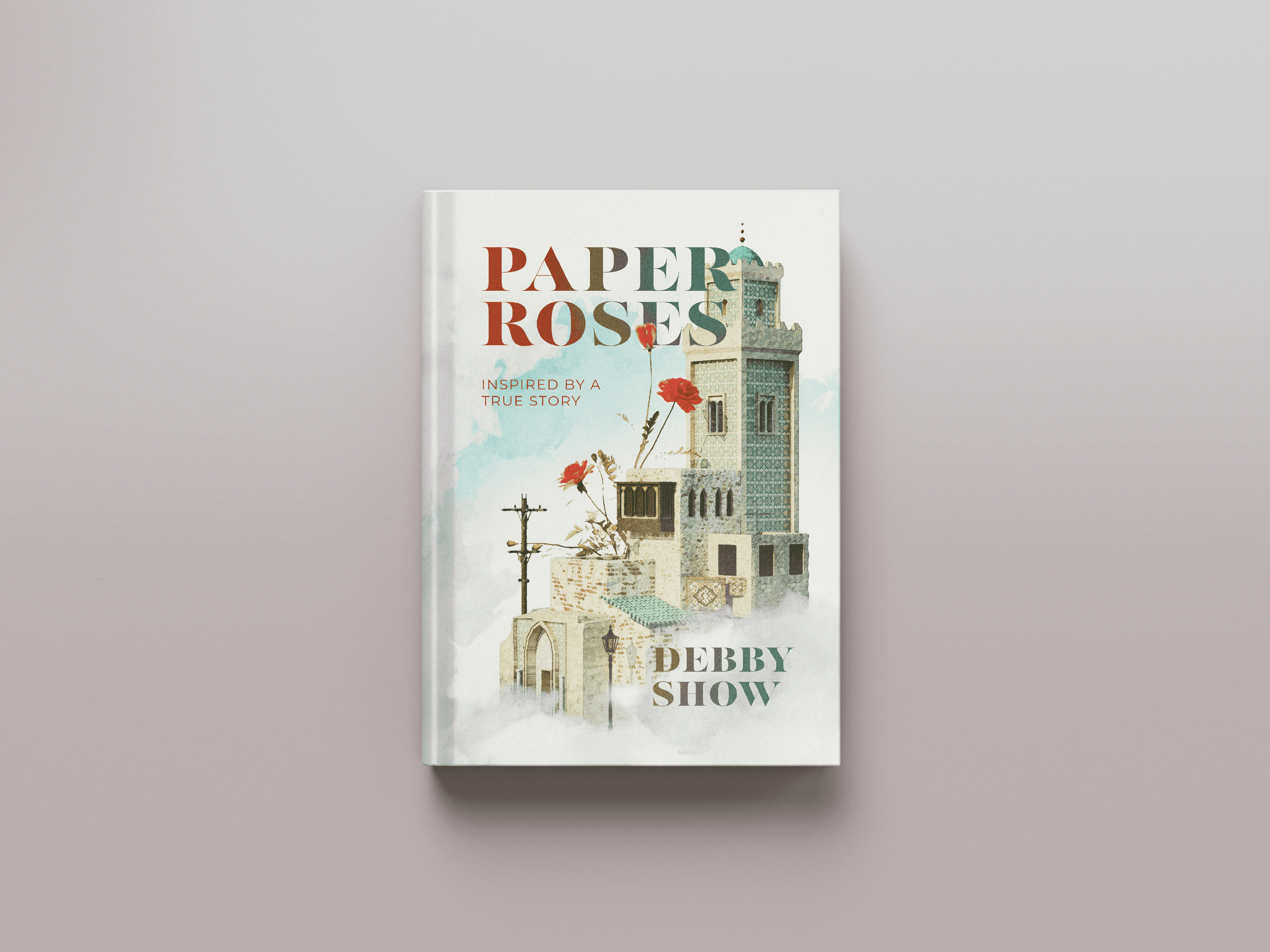
Yes! Paper Roses was released on November 4, 2025. Copies are available for purchase at all major retailers.
What genre is Paper Roses?
Who would enjoy reading Paper Roses?
What makes Paper Roses unique?
Is Paper Roses suitable for book clubs or group discussions?
How do I listen to podcasts on Podkuthir?
Simply navigate to our website, browse through the available podcasts, and click on the episode you'd like to listen .
How can I become a podcast host on Podkuthir?
Can I share my favorite podcasts on social media?
Can I share my favorite podcasts on social media?
How can I become a podcast host on Podkuthir?
Can I share my favorite podcasts on social media?
How do I listen to podcasts on Podkuthir?
Simply navigate to our website, browse through the available podcasts, and click on the episode you'd like to listen .
How can I become a podcast host on Podkuthir?
Can I share my favorite podcasts on social media?
Can I share my favorite podcasts on social media?
How can I become a podcast host on Podkuthir?
Can I share my favorite podcasts on social media?
Subscribe for
insider insights
Subscribe to Newsletter
Subscribe
for insider insights
Subscribe to Newsletter
Subscribe for
insider insights
Subscribe to Newsletter
debby show, author
Contact Info
Fieldmere Press
2242. Overlook Drive
Walnut Creek, CA 94597
(925) 330-8691






© 2026 PAPER ROSES.
debby show, author
Contact Info
Fieldmere Press
2242. Overlook Drive
Walnut Creek, CA 94597
(925) 330-8691
© 2026 PAPER ROSES.
debby show, author
Contact Info
Fieldmere Press
2242. Overlook Drive
Walnut Creek, CA 94597
(925) 330-8691
© 2026 PAPER ROSES.