February 3, 2026
A raw, honest look at how trading the "performance of authority" for the collaborative resistance of autofiction forced a deeper maturity than therapy ever could.
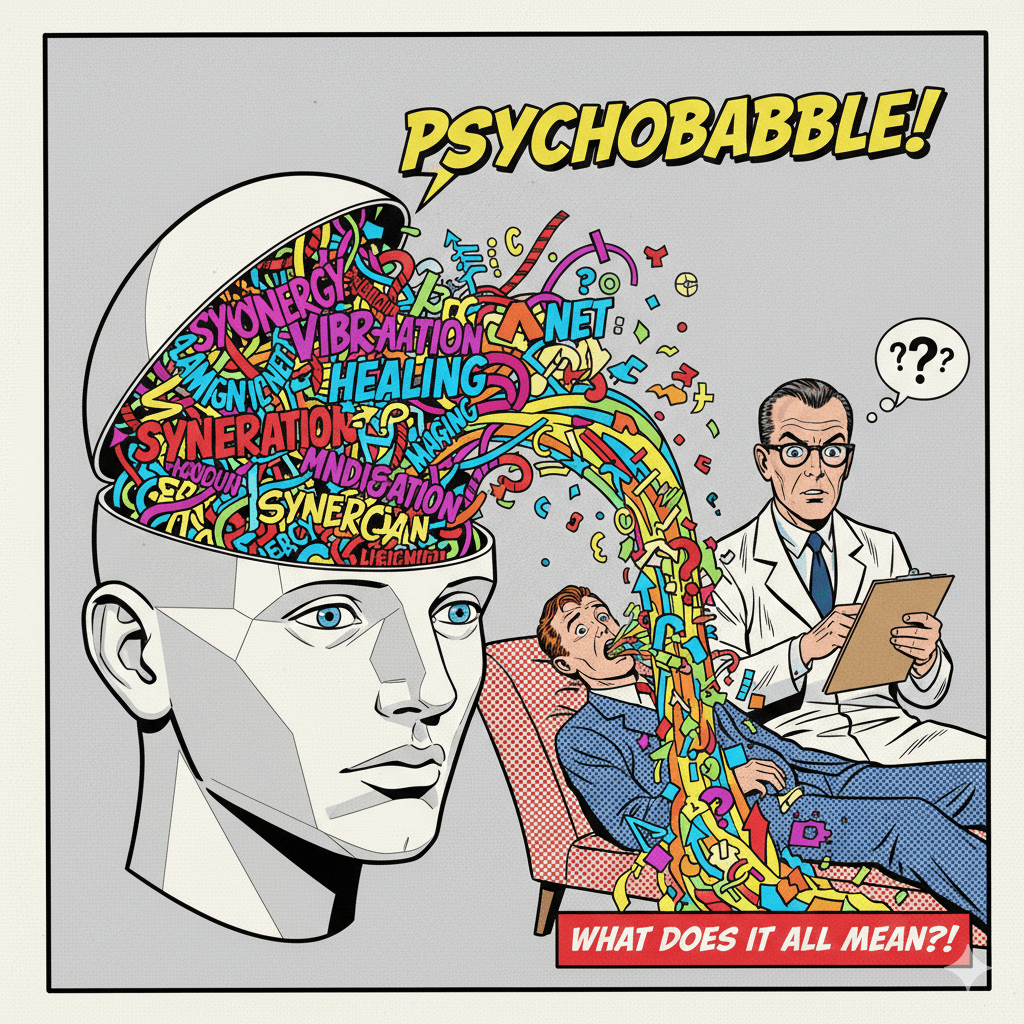
As a matter of principle, I’m against psychobabble. Even when I know what I’m talking about, I don’t want to sound like an expert. It feels fake, pretentious—everything I detest. If my con artist sister and I are alike in any way, it’s that we’re collaborators. She once lifted a restaurant concept wholesale. So yeah, the chop, chop, let’s put on a show impulse comes straight out of our shared DNA. But I digress.
As an LMFT, I haven’t written an academic essay in over thirty years, except for a bunch of Seven Steops articles I wrote almost a decade ago. Academic writing always felt like a performance of authority, one voice sealed off from correction. Besides, I was in college for so long I still have realistic nightmares about somehow missing some major requirement and not graduating. It’s been decades. I assume this happens to everyone.
Lately, though, as I go on podcasts to promote my book, the same question keeps coming up: Why autofiction? Why not memoir? Sometimes there’s an assumption that I’m hiding—changing names, protecting myself. Sometimes the interviewer genuinely wants to know. And despite myself, I start thinking about the different therapies I’ve been trained in.
Before I know it, the beginnings of an essay start forming in my head. Narrative therapy, for instance, is built around the idea that people are the authors of their own lives—that through collaboration, new and more workable stories can be created. The resemblance to autofiction isn’t accidental. But what gets left out of that tidy explanation is how little of this can be done by oneself.
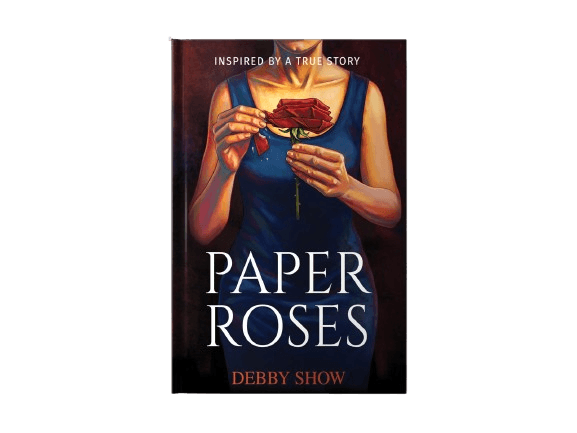
When writing Paper Roses, for almost three years, once a month sometimes more often, I met with Gila Green, a developmental editor who is decidedly not a therapist. Her job wasn’t to be empathic or validating—though occasionally she was. Her job was to tell me when I wasn’t being real, when I was being self-indulgent, when things didn’t line up, and when I was too close to see clearly. I’m so glad I didn’t go it alone.
In the end, hiring Gila and writing this novel ended up being my greatest accomplishment, other than motherhood, though I have to admit the marketing of the thing is horrible. I’d rather be the artiste.
The point is and I do have one, is that therapy, even with a trained professional, had only taken me so far. Writing Paper Roses went further, not because it was gentler, but because it demanded more maturity. Without that kind of resistance, the chess pieces would've gotten rearranged in ways that would be self-serving and, frankly, therapeutic. Yes, I put my heroine (Abi) in situations where she got to have conversations she never had but wished she could, but some of it was grandstanding. When Gila asked Abi to be kinder and more nuanced, I understood the assignment. If I didn't want to alienate my readers, it was time for me to grow up.
So if you’re thinking about writing a memoir, it might be worth pausing to ask what autofiction could make possible.